Dropshipping vs Trading: Which Is Better?
Costs, risks, skills and time compared side by side, to help you decide which suits you.
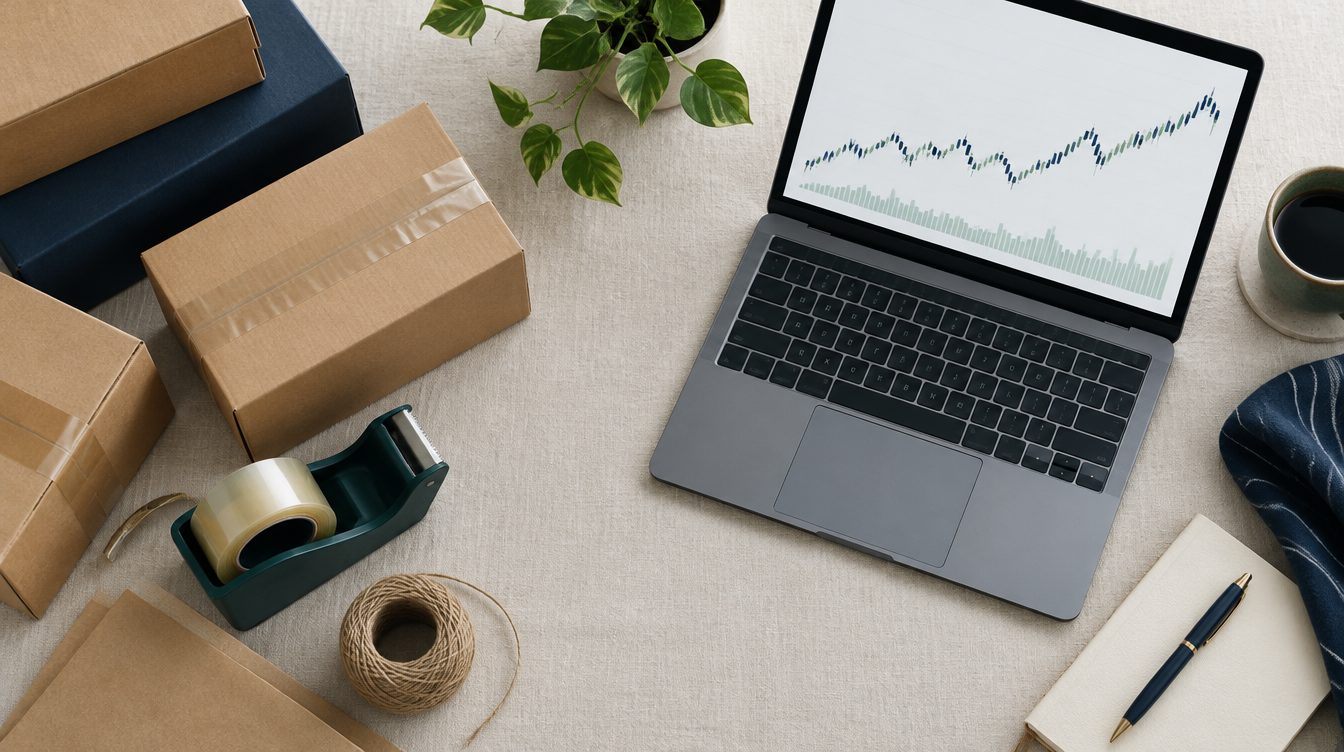
Dropshipping or trading: which is better? It depends on your skills and how much risk you can take. Dropshipping is a business: you sell products online, and a supplier ships them for you. Your capital goes into ads and your time, and a good store can scale. Trading means speculating on price moves, where your capital is directly at risk on every trade and most beginners lose money. Neither is passive income.
Key takeaways
- Dropshipping risk comes from ad spend. Trading risk comes from market losses.
- Dropshipping needs marketing skills, while trading needs risk management and discipline.
- Both have low barriers to entry and high failure rates.
- Many people do one alongside a job before going full-time.
Dropshipping vs trading at a glance
| Dropshipping | Trading | |
|---|---|---|
| What you do | Find products, build a store, run ads | Analyse markets, place and manage trades |
| Start-up cost | Store subscription plus ad testing budget | Account deposit, often small with micro lots or fractional shares |
| Main risk | Ads that don't convert, supplier problems, refunds | Losing capital, especially with leverage |
| Time | Customer service, product research, ads | Screen time during market hours and review |
| Scalability | Grows with ad spend and operations | Grows with capital or a funded account |
| Skills | Marketing, copywriting, logistics | Analysis, psychology, risk control |
Pros and cons
- Dropshipping pros: builds a business asset, needs no stock, and creates skills useful elsewhere.
- Dropshipping cons: thin margins, rising ad costs, long shipping times and refund headaches.
- Trading pros: flexible, no customers, and works from anywhere with an internet connection.
- Trading cons: emotionally demanding, losses are immediate, and consistency takes years.
How to choose
- Be honest about your skills: are you better at selling or at analysing?
- Decide how much you can afford to lose, and don't borrow for either.
- Test small: run a few low-budget ad campaigns, or demo trade for three months.
- Keep score with real numbers, not screenshots of best days.
If you go the trading route, our guide to swing trading is a sensible place to start.
Limitations
Outcomes vary widely, and neither path guarantees income. Leveraged trading in particular carries a high risk of losing money quickly.
FAQ
Which needs less money to start?
Both can start small, but dropshipping usually needs an ad budget to test products, while trading can start with a small deposit.
Can you do both?
Yes. Some people use profits from a business to fund a long-term investment account rather than trading actively.
Is dropshipping legal?
Yes, provided you follow consumer law, advertising rules and your platform's policies.
General information only, not financial, tax or legal advice. Trading and investing involve risk, including the loss of your capital.